
Properly Fitted Windows That Perform for Decades
Window Installation in Lake Bluff for homes requiring precise sealing and structural compatibility
New construction and complete window replacement projects involve more than simply placing a unit into an opening—the method of installation is crucial to whether windows will function as intended or fail within a few years. Modern Windows and Doors manages window installations throughout Lake Bluff and the North Shore, emphasizing precise fitting, weather sealing, and durable thermal performance. Each installation strictly adheres to manufacturer guidelines concerning structural attachment, insulation placement, and flashing integration, effectively preventing air leakage and moisture intrusion that can jeopardize both energy efficiency and the longevity of the windows.
The installation process begins with taking accurate measurements of the opening and assessing the frame's condition, followed by careful shimming to ensure the window is level and plumb within the rough opening. The sealing process utilizes multiple layers: a backer rod and sealant around the perimeter, low-expansion foam insulation to fill voids, and exterior flashing that integrates seamlessly with the building’s weather barrier. This comprehensive approach helps eliminate thermal bridging and condensation issues that often arise with incorrectly installed windows.
Schedule a consultation to discuss your project specifications and ensure compatibility with your chosen window brand.
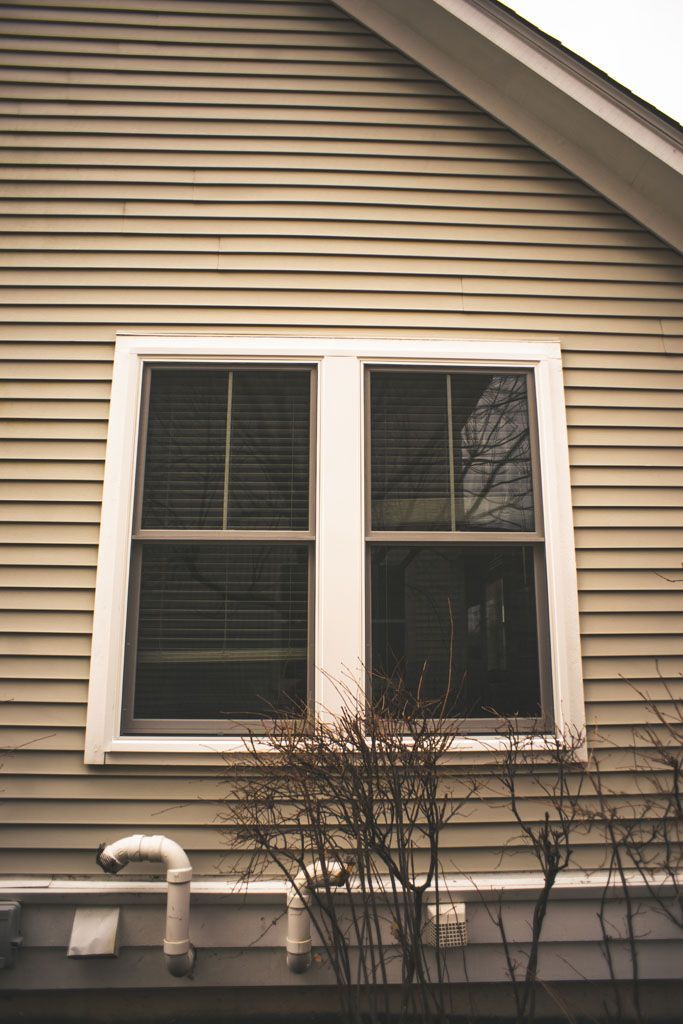
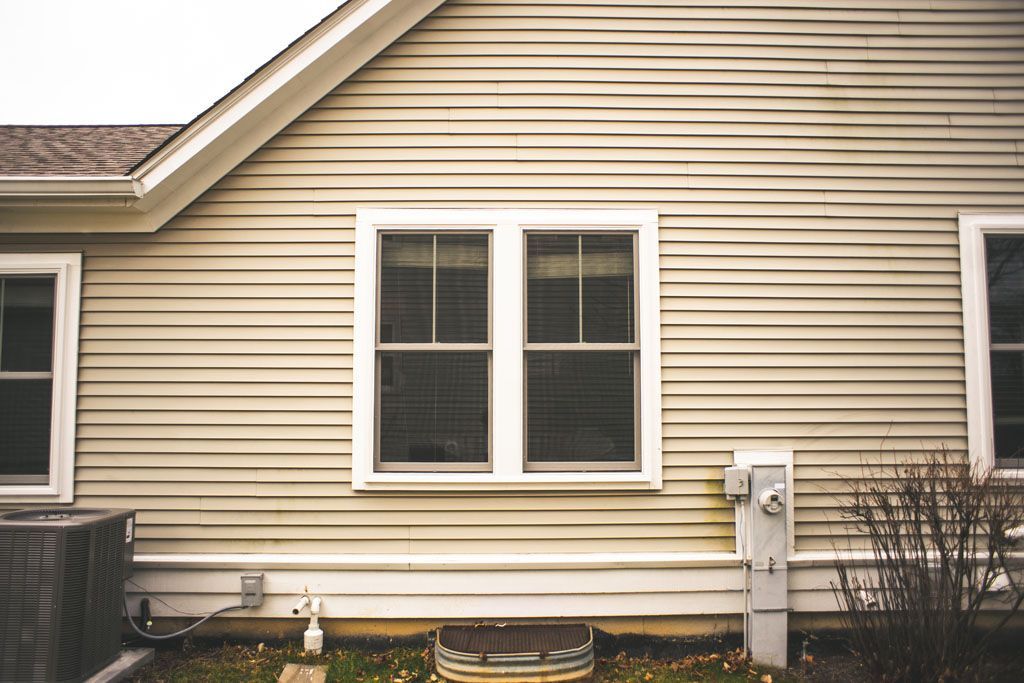
What Proper Installation Delivers Over Time
Correct installation starts with verifying that rough openings meet dimension tolerances and that sill pans or flashing membranes are positioned before the window is set. Shims are placed at structural points specified by the manufacturer—typically at jamb anchors and sill corners—so the frame remains square under operating stress. Insulation fills gaps without bowing the frame, and exterior sealant is tooled to shed water while allowing the assembly to move with seasonal expansion.
After installation, you will notice that windows open and close smoothly without binding, that no drafts are detectable around the frame perimeter, and that interior temperatures near the glass remain more stable during temperature swings. Properly installed windows also eliminate the condensation patterns that appear on frames when interior air reaches cold surfaces, a common issue in older installations where insulation was poorly placed or sealant failed.
Installation quality affects more than immediate comfort—it determines whether windows will meet their rated energy performance and whether seals will remain intact through years of freeze-thaw cycling common to Illinois winters. Windows installed without adequate shim support or with gaps in the insulation layer lose efficiency quickly, even if the glass itself is high-performance.
What to Know Before Your Installation
Installation details vary depending on whether the project involves new construction rough openings or replacement windows fitted into existing frames, and the answers below address common questions about both scenarios.
What happens during the pre-installation inspection?
The rough opening is measured for width, height, and diagonal dimensions to confirm it is square, and the condition of surrounding framing and sheathing is checked for rot or structural damage that would prevent secure attachment.
How does installation differ across Andersen, Marvin, ProVia, Kolbe, and Lindsay windows?
Each manufacturer specifies shim placement locations, fastener types, and insulation methods based on frame material and design—vinyl frames require more shim points than wood or fiberglass to prevent distortion, and aluminum-clad units have specific flashing requirements.
Why does proper sealing matter in Lake Bluff winters?
Exterior temperatures regularly drop below freezing from December through February, and poorly sealed windows allow warm interior air to reach cold surfaces where it condenses, leading to frame rot, mold growth, and ice buildup that damages seals and hardware.
What should you inspect after installation is complete?
Verify that the sash opens and closes without resistance, that locks engage fully, and that no light is visible around the frame perimeter when viewed from inside during daylight—any gaps indicate incomplete sealing.
When is the best time to schedule installation projects?
Fall and spring offer moderate temperatures that allow sealants to cure properly, though winter installations are possible when openings are protected from precipitation and temperatures remain above the minimum specified for adhesive and foam products.
Modern Windows and Doors coordinates installation timing with your project schedule and provides detailed walk-throughs at completion to confirm every window meets performance standards. Contact us to arrange an on-site evaluation and review installation requirements for your selected window systems.